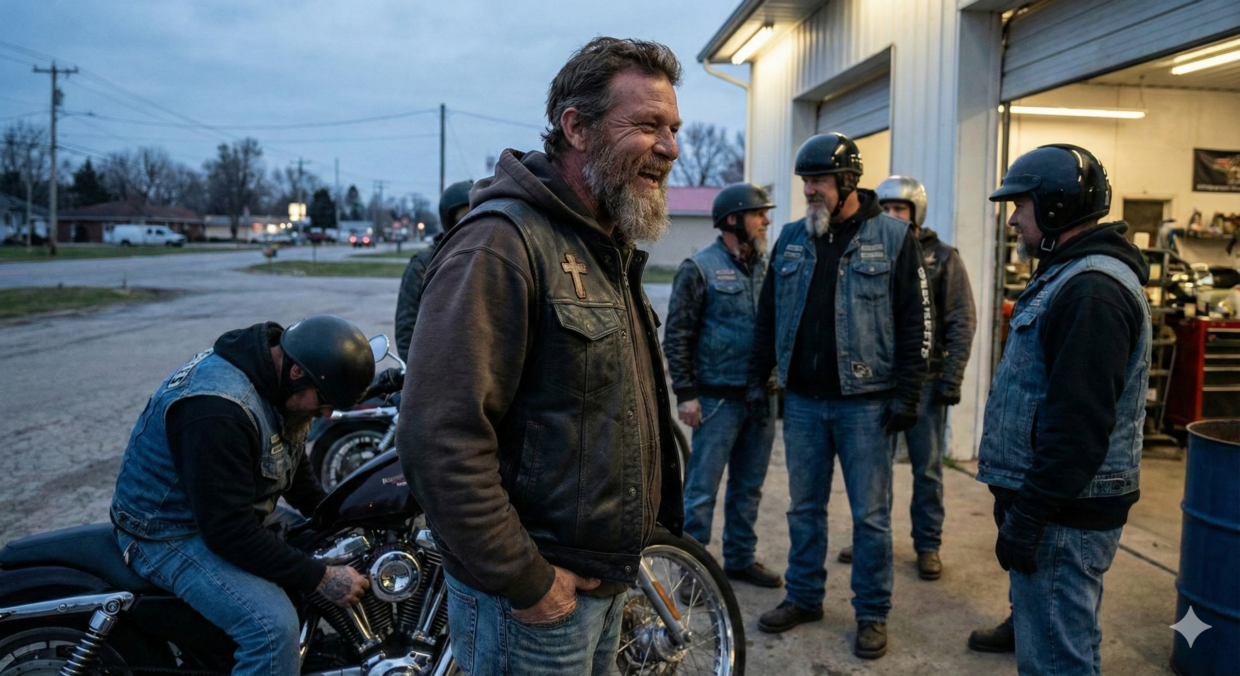
Becoming a “misfit chaplain” usually involves forging a path that sits between professional credentialing and grassroots street credibility. Because this role often exists outside traditional church walls, the training can be a mix of formal education and “school of hard knocks” experience.
Here are the two primary pathways to becoming this type of chaplain, along with the specific training involved.
Path 1: The “Institutional Misfit” (Formal Credentials)
If you want to work in systems like prisons, hospitals, the military, or hospice, you generally need formal credentials, even if your personal style is unconventional. These institutions require you to prove you can follow protocol.
- Education: usually a Master of Divinity (M.Div) or equivalent theological training.
- CPE (Clinical Pastoral Education): This is the gold standard of chaplaincy training. It is essentially an internship in a hospital where you learn the art of listening rather than preaching. You learn to handle trauma, death, and crisis without inserting your own agenda.
- Endorsement: You need an official “endorsement” from a religious body stating you are a qualified representative. Many “misfit” candidates seek endorsement from non-denominational or progressive organizations that value authenticity over rigid dogma.
Path 2: The “Street Misfit” (Grassroots/Community)
This is the most common path for those serving in motorcycle clubs, homeless encampments, disaster relief, or bars. In these spaces, a degree matters less than your ability to show up and stay calm in chaos.
- Ordination/Licensing: You still need to be a recognized clergy member to have legal standing (e.g., for hospital visitation rights or confidentiality). Many in this track seek ordination through independent networks or chaplaincy-specific organizations (like the International Fellowship of Chaplains – IFOC).
- Specialized Training: Instead of a seminary degree, you focus on practical certifications:
- Crisis Intervention (CISM): Learning how to de-escalate situations and help people process immediate trauma (crucial for disaster relief or street work).
- Mental Health First Aid: Learning to identify and respond to signs of mental illness and substance use disorders.
- Suicide Prevention (ASIST): Applied Suicide Intervention Skills Training.
- “Earned” Authority: In subcultures (like biker culture or street gangs), your “badge” is your consistency. You become a chaplain by consistently showing up, keeping secrets, and offering support without judgment until the community accepts you.
Core Skills for the Misfit Chaplain
Regardless of the path, the “misfit” approach requires unlearning traditional preaching habits. The training focuses on:
- Active Listening: The ability to listen to someone vent, curse, or cry for an hour without interrupting or offering a Bible verse to “fix” it.
- Ministry of Presence: Being comfortable with uncomfortable silence.
- Pluralism: Being willing to serve everyone—atheists, people of different faiths, and those who hate religion—without trying to convert them.
Summary of Steps
- Identify your “beat”: Who are the misfits you want to serve? (e.g., bikers, veterans, the unhoused).
- Get basic credentials: Find an organization to hold your ordination/license so you have accountability.
- Get practical training: Prioritize Crisis Intervention and Mental Health training over theological debate.
- Show up: Begin volunteering in the spaces where those people gather.
Are you more interested in the formal certification side (working in institutions), or the grassroots side (working directly on the streets)?


