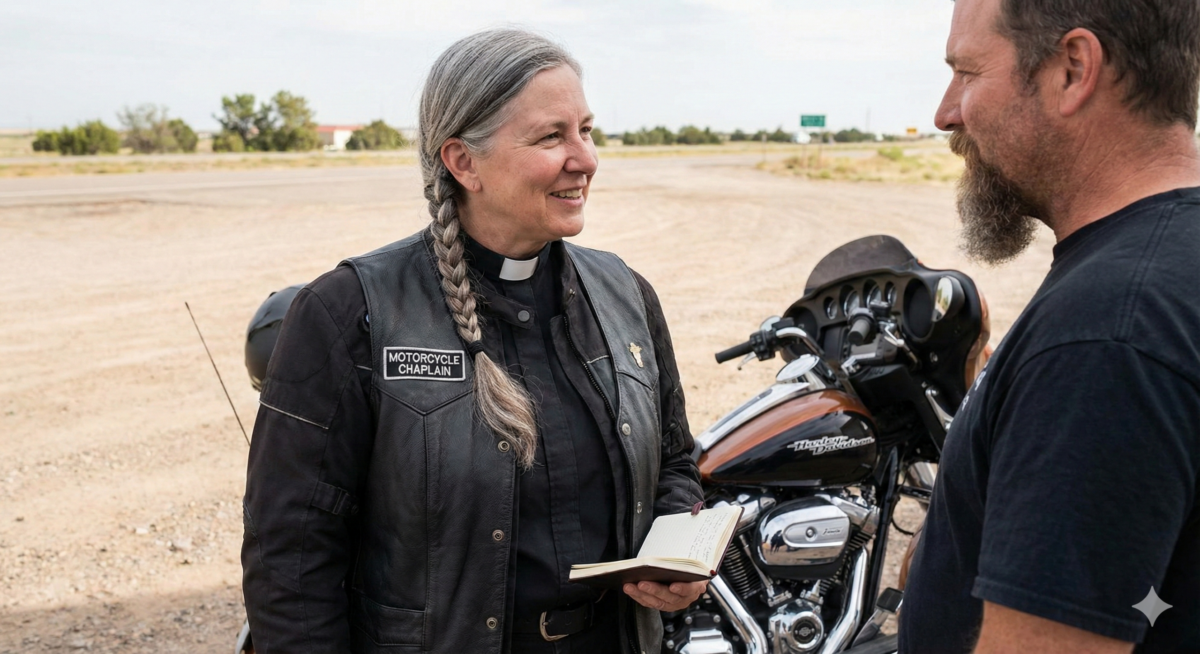
The landscape of chaplaincy has undergone a significant transformation, with women increasingly taking on vital roles that were once almost exclusively held by men. This shift reflects broader changes in religious institutions, evolving societal norms, and a growing recognition of the unique strengths women bring to spiritual care.
Historical Context and Breaking Barriers:
- Early, Unrecognized Service: Even in the 19th century, women served in informal or unrecognized chaplaincy roles. For example, Ella E. Gibson served as a chaplain with the 1st Wisconsin Heavy Artillery Regiment during the U.S. Civil War (1864) and received a posthumous recognition of her service over a century later because she was a woman. This highlights the long struggle for formal acknowledgment.
- Military Milestones: The U.S. military, traditionally a very male-dominated institution, saw its first officially commissioned female chaplains in the 1970s:
- Dianna Pohlman Bell was the first woman chaplain of any U.S. military service, commissioned by the Navy in 1973.
- Lorraine Potter was the first female chaplain in the U.S. Air Force, also in 1973.
- Alice M. Henderson became the first woman (and woman of color) officially commissioned as a chaplain in the U.S. Army Chaplain Corps in 1974.
- Since then, women have continued to break barriers, with female rabbis, Buddhist, and Hindu chaplains joining the military ranks.
- Expansion in Civilian Settings: As religious traditions increasingly ordained women into ministry roles (though this varies widely by denomination), opportunities for women in civilian chaplaincy (hospitals, prisons, universities, corporations) also expanded, often earlier and with fewer explicit barriers than in the military.
Why Women Excel in Chaplaincy:
- Empathy and Relational Skills: Many find that women often bring a strong emphasis on empathy, active listening, and building deep, trusting relationships, which are core to effective spiritual care.
- Comfort in Vulnerable Settings: Women chaplains are often perceived as approachable and comforting, which can be particularly beneficial in sensitive environments like hospitals, hospices, or situations involving trauma, where individuals are often in highly vulnerable states.
- Understanding Specific Needs: Female chaplains can provide unique insights and support for other women, especially in situations related to reproductive health, domestic violence, or gender-specific trauma, where a shared gender experience might foster deeper trust.
- Challenging Patriarchal Norms: By occupying leadership and caregiving roles in traditionally male-dominated institutions, women chaplains actively challenge ingrained patriarchal values and contribute to a more inclusive and equitable environment.
- Filling a Gap: As women’s roles in society have diversified, so have their spiritual needs. Women chaplains can sometimes better understand and minister to the experiences of other women navigating modern life, career, family, and spiritual questions.
Challenges Women Chaplains May Face:
Despite the progress, women in chaplaincy can still encounter unique challenges:
- Gender Bias and Stereotypes: They may face initial skepticism or be underestimated by some colleagues, patients, or service members who hold traditional views on gender roles in leadership or religious authority. They often feel they have to prove their competence more rigorously.
- Ecclesiastical Endorsement: For chaplains tied to specific faith traditions, gaining ecclesiastical endorsement can still be a hurdle if their denomination has restrictions on women in ordained ministry, even if the chaplaincy field itself is open to them.
- Isolation: In some settings or in denominations where women clergy are still a minority, female chaplains might experience isolation due to a lack of female peers or mentors.
- Safety and Security: In high-risk environments like correctional facilities or conflict zones, female chaplains may face additional safety and security considerations, or different cultural norms regarding interaction with women.
- Work-Life Balance: Like other professional women, female chaplains, especially those with families, often navigate the complexities of balancing demanding ministry responsibilities with personal and family life.
- Visibility and Recognition: Despite their crucial work, the experiences and contributions of women chaplains sometimes remain under-researched or “invisible” within broader studies of chaplaincy.
The Future of Women in Chaplaincy:
The trend for women in chaplaincy is overwhelmingly positive. As more women enter seminaries and spiritual care training programs, and as institutions continue to recognize the invaluable contributions of diverse voices, women will continue to shape and lead the field of chaplaincy, bringing compassionate, inclusive, and highly professional spiritual care to all who need it.


